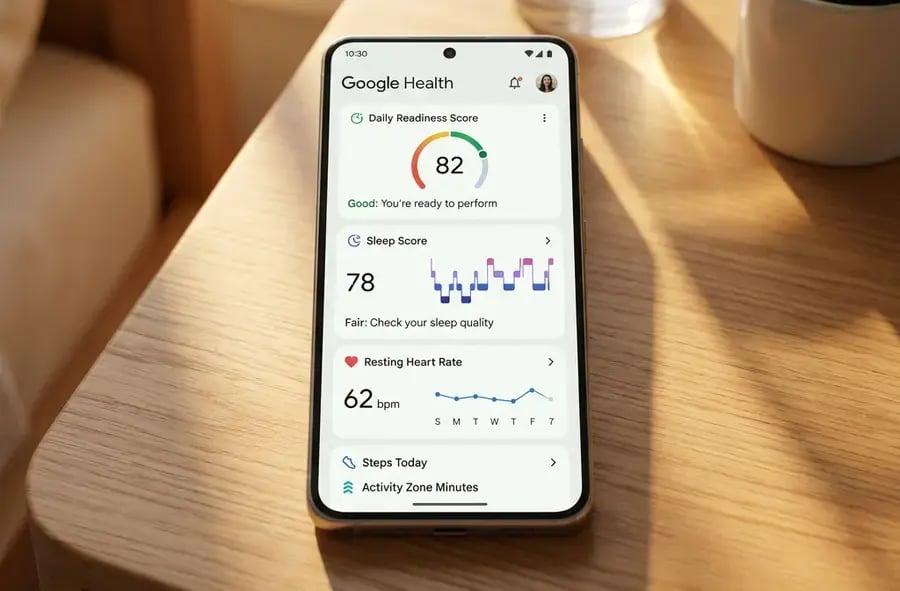
At FIN Connect 2026 in Verona, I opened my session on Project Haystack with a simple question: how many of you use a fitness tracker or a health app on your phone?
Many of us do. They help us understand our activity, our sleep, and our nutrition. A quick look in the morning shows a readiness score, a sleep score, and a resting heart rate, and we know right away how we are doing. In short, these apps turn data into insights.
It was not always this way. Personal health data went through several stages to get here. The same transformation is now happening in smart buildings, and following that path is one of the clearest ways I know to explain why data semantics matter.
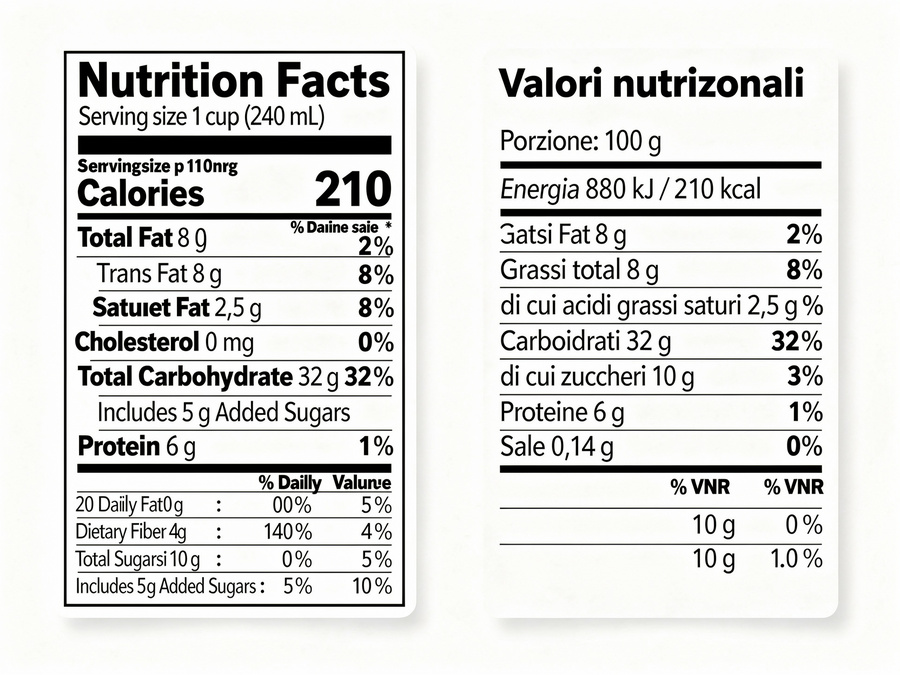
Think back to how personal health data used to work. Nutrition information was inconsistent from one product to the next. Tracking calories was difficult, and comparing two foods was not easy. The data existed, but it was not usable.
In buildings, that is still the situation today. We have data everywhere: sensors, equipment, and control systems across HVAC, lighting, and energy.
The challenge is how that data is organized. It sits in silos, naming is inconsistent from system to system, and the metadata is often unclear. As a result, we still struggle with simple questions:
What is this data point?Answering those questions by hand is where a great deal of integration time goes today.
So what changed in our personal lives? Standardization. Nutrition labels became consistent. Calories, protein, and fat are always defined the same way. Whether you read a Nutrition Facts panel in the United States or a Valori nutrizionali label in Italy, the language differs, but the structure is the same. That consistency made the data easy to understand and easy to compare.
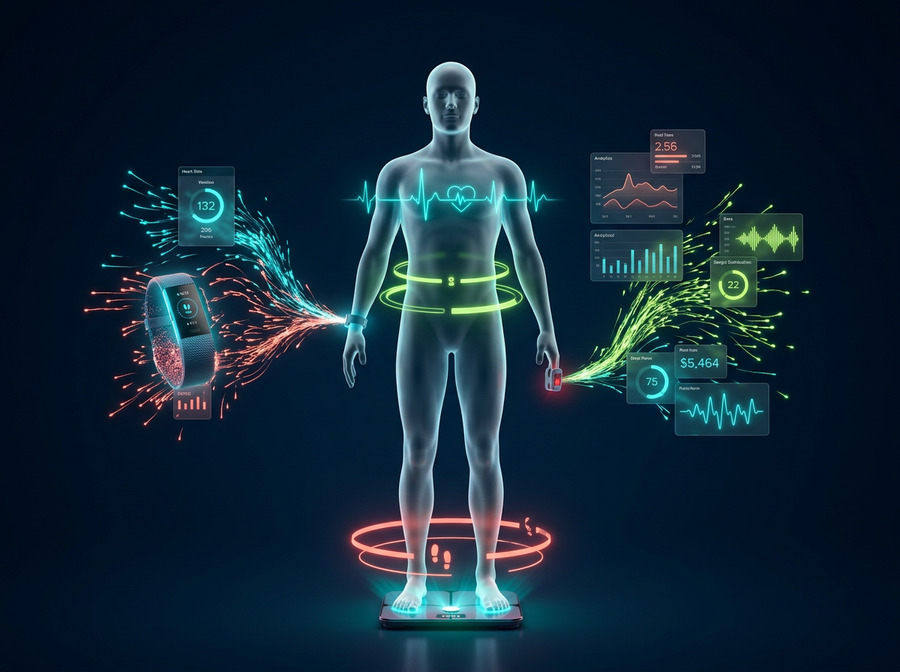
Then came wearables. Fitness bands, phones, and smart scales continuously collect standardized data: steps, heart rate, and calories. Because the measurements follow common definitions, they can be combined.
In smart buildings, we have an equivalent. That is Project Haystack.
Project Haystack defines how we describe building data. It gives us a standard way to define equipment, points, and the relationships between them, using simple tags. An air handler is tagged with equip and ahu. A sensor on that air handler carries tags that identify it as a discharge air temperature sensor. Ref tags then describe how things connect, so the sensor points to its air handler and the air handler points to its site.
Just like nutrition labels define food, Haystack defines building data. Standards organize data, and organized data becomes understandable.
Standardization is necessary, but it is not enough. Even with standards, data can still be fragmented. In our personal lives, we have many devices: a watch, a phone, a scale. Each one creates data, and without a platform that data stays disconnected. This is why platforms like Google Health are so important. Google Health connects devices, aggregates their data, and normalizes the information. It creates one unified data layer.
In smart buildings, this is what FIN Framework does. FIN is an open platform that creates an independent data layer based on Project Haystack, and it connects multiple systems into one consistent model.
We move from many sources to one data layer. Standards define the language, FIN provides the platform, and together they make data usable.
Once we have a unified data layer, we can build applications. This is where data becomes value. I like to keep this simple, because there are three main things we do with data: analyze, visualize, and control.
Analyze: In a health app, we look at the history of our readiness score and heart rate and ask, "Am I improving?" In a building, we look at trended data in the FIN historian and ask, "Is the system working well?"
Visualize: Health apps give us simple dashboards that show the most important numbers at a glance. In buildings, FIN dashboards let us visualize energy, comfort, and performance in the same way.
Control: In our personal lives, insight leads us to change our behavior. In buildings, it leads us to adjust our systems, for example through smart equipment optimization. In both cases, insight leads to action.
This is where FIN Framework is critical. Just like health apps run on Google Health, building applications run on FIN. With a unified data layer, these use cases scale across a building or a portfolio. Without it, they are difficult.
Looking ahead, the personal world already shows us the next step. In apps like MyFitnessPal, we scan a barcode and the product is recognized immediately. The data appears, and the information is already structured.
In smart buildings, we are moving in the same direction. With Haystack 5 and technologies like Xeto, we will have libraries of equipment definitions.
Imagine this: you scan a VAV box, and the system recognizes it right away. The metadata is loaded and the points are defined. There is no manual work and no guessing. The building becomes searchable, scannable, and understandable.
In our personal lives, wearables did not create data. They made data usable. Buildings are in the same position. The data already exists, and standards and platforms make it usable.


Topics from this blog: Project Haystack IoT Smart Buildings FIN Framework Technology Building Automation System Democratization AI GenAI
Back to all posts